
Map & Navigation
Procedurally generated yellow corridor layouts, room types, dead-end survival tactics, open-room positioning, and escape route planning for Clark (EARLY ACCESS) - Huss rooms.
Introduction
This page serves as the central hub for Map content on the Clark (EARLY ACCESS) - Huss rooms wiki. The wiki covers map-related strategies, mechanics, and reference material gathered from pre-release community testing, developer interviews, and Early Access gameplay sessions. Players exploring the procedurally generated corridors of this Backrooms-style survival experience will find structured information organized to help at every skill level, from first runs to advanced coordination tactics. Each subsection has been cross-referenced with the wiki's broader strategy library so that readers can move quickly between related mechanics, entity profiles, squad coordination tips, and audio-first navigation techniques. Content will be expanded as the Early Access roadmap adds new heroes, balance tuning, and quality-of-life improvements, ensuring the map section stays current with the live game state. Visitors looking for map-specific articles can browse the Featured and All Articles sections below for the most-requested guides.
Map Data Snapshot
| Aspect | Detail |
|---|---|
| Primary System | Audio-first navigation in procedurally generated corridors |
| Player Commitment | Full squad once the first door opens (server-lock) |
| Patch Cadence | Early Access balance tuning on a shutdown-update cycle |
Map Cards
Map Overview
High-level summary of map in the Clark (EARLY ACCESS) - Huss rooms survival loop.
Map Strategy
Apply proven tactics for map during high-tension corridor runs.
Map Reference
Detailed data, audio cues, and timing windows commonly used during map encounters.
Core Mechanics
The map mechanics in Clark (EARLY ACCESS) - Huss rooms are built around audio-first navigation, finite flashlight battery management, and procedural corridor generation. Each new run randomizes the level layout, forcing players to rely on spatial memory, callout coordination, and disciplined movement rather than memorized routes. The server-lock rule — once the first door opens no new players join — adds a meta-pressure that rewards pre-run planning. Clark's tracking is purely audio-driven, so footstep timing, flashlight click cadence, and door-handle noise all feed into threat-level calculations. Players learn to recognize audio cues such as distant footsteps, hum drift from fluorescent lights, and the static hiss that signals Clark is nearby. The interplay between these systems creates emergent tension: every decision to sprint, whisper, click the light, or hold still feeds into the survival loop. Because the wiki is community-driven, our map reference material is updated whenever a confirmed mechanic change ships in an Early Access patch.
Advantages
The map advantages in Clark (EARLY ACCESS) - Huss rooms come from disciplined play, smart squad coordination, and learning to read audio cues before visual ones. Headphones are effectively mandatory — directional audio tells are the primary way to detect Clark at distance, and most surprises come from behind or around corners where visual confirmation arrives too late. A brief flashlight click conserves battery and reduces the noise footprint, while a sustained beam is reserved for confirming threats at close range. Walking rather than sprinting cuts footstep volume dramatically and extends reaction windows when Clark is in pursuit. Squads that assign a clear lead, a rear guard, and a light manager consistently outperform loose formations, since role specialization prevents duplicate flashlight usage and reduces panicked click spam. The wiki's map section catalogs these patterns into reusable tactics so players can build muscle memory before they face a long server-locked run.
Challenges
The map weaknesses in Clark (EARLY ACCESS) - Huss rooms center on the audio-driven hunt loop: any unnecessary noise invites Clark closer, and panic sprints drain flashlight battery while maximizing footstep volume. Solo runs are technically possible but significantly harder because there is no second pair of ears for directional confirmation, and no teammate to cover flashlight duty if the primary holder is grabbed. The server-lock rule means a single careless early door can lock a small squad into a run that exceeds their coordination capacity, especially for newer players still learning the audio map. Procedural generation is intentionally disorienting — backtracking can feel like new territory, and visible landmarks are scarce. New players often fixate on visual cues and miss the hum-drift audio tell that signals room size. The map reference material flags these failure modes so players can practice counters in low-stakes runs before committing to a full server-locked session.
Frequently Asked Questions
What is the role of map in Clark (EARLY ACCESS) - Huss rooms?+
How often is the map page updated?+
Where can I find beginner map guides?+
Does map content apply to solo runs?+
Quick Tips
Always run with headphones during map content. Directional audio tells are the primary survival cue and missing them typically means a run ends at the hands of Clark within the first corridor segment.
Coordinate flashlight clicks across your squad so only one person is clicking at a time. Multiple simultaneous beams create a noise cluster that Clark tracks with high accuracy in tight corridors.
Before opening the first door, confirm your full roster is committed. The server-lock rule means a small squad cannot recruit later — plan the run composition in advance.
Featured
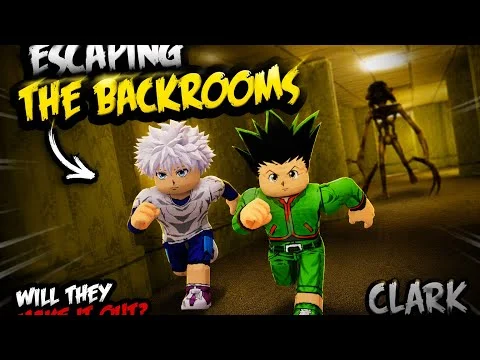
Clark (EARLY ACCESS) - Huss Rooms Layout: Procedural Generation and Navigation
Clark Huss rooms layout guide — procedural generation rules, corridor patterns, junction frequency, and spatial mapping techniques.
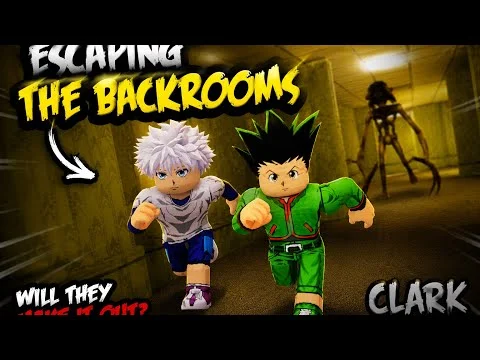
Clark (EARLY ACCESS) - Huss Rooms Yellow Corridor Types: Visual Identification
Clark Huss rooms yellow corridor types — visual variations, theme consistency, lighting differences, and identification techniques for navigation.
Clark (EARLY ACCESS) - Huss Rooms Dead End Strategy: Recognition and Escape
Clark Huss rooms dead end strategy — recognition patterns, escape tactics, feint maneuvers, and avoiding dangerous dead end situations.
All Articles

Clark (EARLY ACCESS) - Huss Rooms Open Room Tactics: Large Space Navigation
Clark Huss rooms open room tactics — entry protocols, exit mapping, audio behavior, squad formations, and tactical use of large spaces.
Clark (EARLY ACCESS) - Huss Rooms Escape Route Planning: Pre-Mapped Survival
Clark Huss rooms escape route planning — pre-mapped routes, corner break selection, geometry analysis, and tactical retreat strategy development.